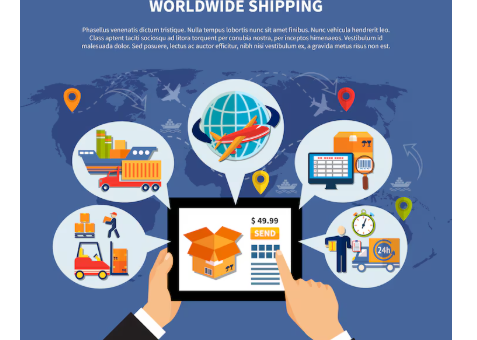
The modern business environment is changing faster than ever. Globalization, digital transformation, customer expectations, and economic uncertainty are reshaping how companies move products around the world. Understanding Global Logistics and Supply Chain Trends Every Business Must Follow is essential for organizations that want to reduce costs, improve efficiency, and maintain a competitive advantage.
Supply chains are no longer focused only on transportation and inventory. Today, successful businesses use technology, data analytics, automation, sustainability practices, and strategic partnerships to create flexible and resilient operations.
Whether you operate a manufacturing company, retail brand, or an online business, modern logistics strategies can directly influence profitability. Many entrepreneurs also combine supply chain knowledge with models such as affiliate marketing, a dropshipping business, or compare affiliate vs dropshipping when creating additional passive income opportunities.
Why Global Supply Chain Trends Matter
Global Logistics and Supply Chain Trends Every Business Must Follow highlight the importance of adapting to a rapidly changing marketplace. Businesses that fail to modernize their supply chains may face higher costs, delays, customer dissatisfaction, and reduced competitiveness.
Modern supply chain management helps companies:
- Reduce operating costs
- Improve delivery speed
- Increase customer satisfaction
- Manage risks effectively
- Improve inventory accuracy
- Create sustainable business practices
Digital Transformation in Logistics
Digital technology is one of the biggest forces changing global logistics. Businesses are adopting advanced software solutions to improve visibility and decision-making throughout the supply chain.
Digital supply chain tools include:
- Cloud-based logistics platforms
- Real-time tracking systems
- Warehouse management software
- Supply chain analytics
- Artificial intelligence solutions
These technologies allow businesses to monitor shipments, predict demand, and respond quickly to disruptions.
Artificial Intelligence and Automation
Artificial intelligence is becoming a major driver of supply chain innovation. AI helps companies analyze large amounts of data and identify patterns that improve efficiency.
Businesses use AI for:
- Demand forecasting
- Route optimization
- Inventory management
- Fraud detection
- Automated customer service
Automation also reduces repetitive manual tasks. Robotic warehouse systems, automated sorting, and smart inventory tools allow businesses to increase productivity while reducing operational expenses.
For information about artificial intelligence applications in business, explore Artificial Intelligence Solutions.
Supply Chain Resilience and Risk Management
Recent global disruptions have shown businesses the importance of building resilient supply chains. Companies can no longer depend on a single supplier or transportation route.
Modern risk management strategies include:
- Multiple supplier partnerships
- Regional sourcing
- Emergency inventory planning
- Alternative transportation options
- Regular supply chain assessments
A resilient supply chain helps businesses continue operations even during unexpected events.
Sustainable Logistics and Green Supply Chains
Sustainability has become one of the most important Global Logistics and Supply Chain Trends Every Business Must Follow. Customers, investors, and governments increasingly expect businesses to reduce their environmental impact.
Green supply chain strategies include:
- Using renewable energy
- Reducing packaging waste
- Optimizing transportation routes
- Improving fuel efficiency
- Recycling materials
Sustainable logistics can reduce costs while improving brand reputation.
Growth of E-Commerce Logistics
The rapid growth of e-commerce has transformed customer expectations. Consumers now expect faster delivery, accurate tracking, and flexible shipping options.
E-commerce businesses must focus on:
- Fast order fulfillment
- Efficient warehouse operations
- Reliable delivery networks
- Easy returns management
- Real-time order visibility
This trend is especially important for entrepreneurs operating an online business. Many sellers entering e-commerce explore a dropshipping business model because it reduces the need for large inventory investments.
Nearshoring and Regional Supply Chains
Many companies are reconsidering traditional global sourcing strategies. Instead of relying entirely on distant suppliers, businesses are moving toward nearshoring and regional supply networks.
Benefits of nearshoring include:
- Shorter delivery times
- Lower transportation risks
- Better supplier communication
- Improved quality control
- Greater flexibility
This approach helps businesses respond faster to market changes.
Advanced Data Analytics
Data has become one of the most valuable resources in supply chain management. Companies use analytics to make smarter decisions about purchasing, inventory, and distribution.
Supply chain analytics can help businesses:
- Predict customer demand
- Reduce excess inventory
- Identify inefficiencies
- Improve forecasting accuracy
- Optimize transportation costs
Data-driven decision-making creates more efficient and profitable supply chains.
Blockchain Technology in Supply Chains
Blockchain technology is improving transparency and trust between supply chain partners. It creates secure records that can be shared across multiple organizations.
Potential benefits include:
- Improved product tracking
- Reduced fraud
- Better supplier verification
- Increased transparency
- Enhanced customer confidence
Industries such as food, pharmaceuticals, and luxury goods are increasingly exploring blockchain applications.
Smart Warehouses and Robotics
Warehousing is becoming more automated and technology-driven. Smart warehouses use sensors, robotics, and software systems to improve storage and order processing.
Modern warehouse technologies include:
- Automated storage systems
- Robotic picking systems
- Internet of Things (IoT) sensors
- Smart inventory tracking
- Automated packaging
These innovations improve accuracy and reduce fulfillment times.
Last-Mile Delivery Improvements
The final delivery stage is often the most challenging and expensive part of logistics. Companies are investing heavily in improving last-mile delivery performance.
New solutions include:
- Delivery optimization software
- Local fulfillment centers
- Electric delivery vehicles
- Flexible delivery options
- Automated delivery systems
Better last-mile delivery improves customer satisfaction and strengthens brand loyalty.
Global Trade and Supply Chain Visibility
International businesses require greater visibility across their entire supply chain. Companies need accurate information about suppliers, shipments, inventory levels, and customer demand.
Supply chain visibility helps organizations:
- Identify problems quickly
- Improve communication
- Reduce delays
- Increase operational control
- Improve customer service
For global trade research and economic information, visit World Trade Organization.
How Businesses Can Adapt to Future Supply Chain Changes
Companies that want to remain competitive should continuously improve their logistics strategies.
Important actions include:
- Investing in technology
- Building supplier relationships
- Improving inventory management
- Training employees
- Monitoring market trends
- Creating flexible operations
Adaptability is becoming one of the most important advantages in global commerce.
Supply Chain Opportunities for Online Entrepreneurs
Modern logistics improvements have created new opportunities for entrepreneurs. Small businesses can now access global suppliers, international customers, and advanced fulfillment solutions more easily than ever before.
Entrepreneurs evaluating affiliate vs dropshipping can consider their resources, marketing skills, and operational preferences. A successful dropshipping business depends heavily on reliable suppliers and efficient logistics, while affiliate marketing focuses more on content, traffic generation, and partnerships.
Both models can support entrepreneurs looking to build additional passive income streams.
Related Business Resources
To learn more about business growth and operational strategies, explore our related guides:
- Supply Chain Optimization Strategies That Reduce Costs and Increase Profits
- How to Find Reliable International Suppliers for Your Business
- Import Export Documentation Explained: Essential Forms and Procedures
Conclusion
Global Logistics and Supply Chain Trends Every Business Must Follow reveal how technology, sustainability, automation, and resilience are transforming modern commerce. Businesses that embrace these changes can reduce costs, improve efficiency, and create stronger customer experiences.
