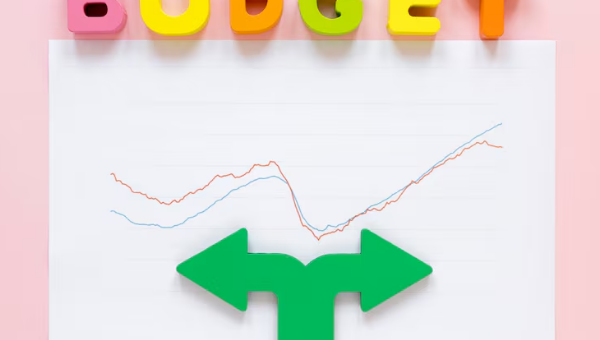
Managing finances can be challenging, especially if your income varies from month to month. Learning How to Budget If You Have Irregular Income is essential for freelancers, gig workers, and entrepreneurs who don’t have a predictable paycheck. With the right strategies, you can maintain financial stability, save consistently, and even grow your passive income streams.
Understanding the Challenges of Irregular Income
Irregular income makes traditional budgeting difficult because you never know exactly how much money you’ll receive. This uncertainty can lead to overspending during high-income months or struggling to cover essentials during lean months. To tackle this, you need a flexible, adaptive approach to budgeting.
Before diving into specific strategies, it’s important to track your income patterns for at least 3-6 months. This will help you understand your average earnings and identify fluctuations.
Create a Baseline Budget
The first step in How to Budget If You Have Irregular Income is establishing a baseline budget. This involves calculating your essential monthly expenses, such as:
- Rent or mortgage
- Utilities
- Groceries
- Insurance premiums
- Debt repayments
Focus on covering these essentials first, even in months with lower income. By prioritizing needs over wants, you ensure financial stability.
Use Your Lowest Monthly Income as a Benchmark
One effective method is to budget based on your lowest-earning month. By planning for the minimum, any extra income can be allocated to savings, investments, or discretionary spending. This approach prevents overspending and ensures you can cover essentials regardless of fluctuations.
Learn more about creating resilient budgets at personal budgeting strategies.
Separate Fixed and Variable Expenses
Dividing expenses into fixed and variable categories helps manage irregular income:
- Fixed Expenses: Rent, utilities, insurance, debt payments
- Variable Expenses: Entertainment, dining out, shopping, subscriptions
During months with lower income, you can reduce variable expenses to maintain balance. This flexibility is crucial for financial security.
Build an Emergency Fund
An emergency fund is even more critical when your income is irregular. Aim to save 3-6 months of living expenses to cover lean months. This fund acts as a buffer, allowing you to maintain your lifestyle and stay on track with How to Budget If You Have Irregular Income.
High-yield savings accounts or low-risk investment accounts are ideal for storing emergency funds. For automated savings, consider apps like Qapital that help you save without thinking about it.
Use Percentage-Based Budgeting
Instead of allocating fixed dollar amounts, assign percentages of your income to different categories:
- 50% for essentials
- 30% for lifestyle and discretionary spending
- 20% for savings and debt repayment
This approach adapts to fluctuations, ensuring that you never overcommit in low-income months while maximizing savings during high-income months.
Automate Savings and Bills
Automation reduces the risk of overspending and missed payments. Set up automatic transfers for savings and essential bills, ensuring they are prioritized each month. Even if your income varies, automation helps maintain discipline and aligns with How to Budget If You Have Irregular Income.
For more guidance, visit Mint budgeting tips for managing irregular finances.
Plan for Taxes
If you’re self-employed or earn through freelance work, taxes are a critical consideration. Set aside a percentage of each payment for taxes to avoid surprises. A good rule of thumb is to save 25-30% of your earnings for federal and state taxes.
Consult a professional or use resources like IRS Self-Employed Tax Guide to calculate your obligations accurately.
Leverage Multiple Income Streams
One way to stabilize finances is to diversify income sources. Combining freelance work with a part-time job, online business, or affiliate marketing opportunities reduces reliance on a single unpredictable source. This strategy improves your ability to save and invest, especially in dropshipping business ventures.
Track Expenses Religiously
Monitoring where your money goes is critical when your income is irregular. Use spreadsheets or apps to categorize each expense and compare it against your budget. Identifying trends helps you cut unnecessary costs and optimize savings.
Prioritize High-Impact Savings Strategies
Focus on savings strategies that maximize returns with minimal effort. Examples include:
- Paying off high-interest debt
- Contributing to retirement accounts
- Investing in online business opportunities that generate passive income
These strategies accelerate wealth-building and give you financial flexibility during irregular income months.
Stay Flexible and Adjust Regularly
Flexibility is key when learning How to Budget If You Have Irregular Income. Reassess your budget monthly and adjust categories as needed. Lean months might require cutting back, while high-income months can be used to build savings or pay off debt aggressively.
Consider Professional Help
Financial advisors can provide personalized strategies for budgeting irregular income. They can help plan for taxes, retirement, and investments while creating a sustainable plan tailored to your unique income pattern.
Check resources like top financial advisors to find professional guidance suited to your needs.
Conclusion
Mastering How to Budget If You Have Irregular Income requires a combination of planning, discipline, and flexibility. By creating a baseline budget, separating fixed and variable expenses, building an emergency fund, automating savings, and diversifying income sources, you can achieve financial stability regardless of income fluctuations. Tracking expenses and adjusting your plan regularly ensures long-term success and empowers you to grow your passive income through affiliate marketing or a dropshipping business.
By following these strategies, irregular income no longer needs to be a source of stress. Instead, it becomes an opportunity to develop strong money management habits and build a secure financial future.
For more insights, explore our financial guides and learn how affiliate vs dropshipping approaches can help you maximize income stability.
