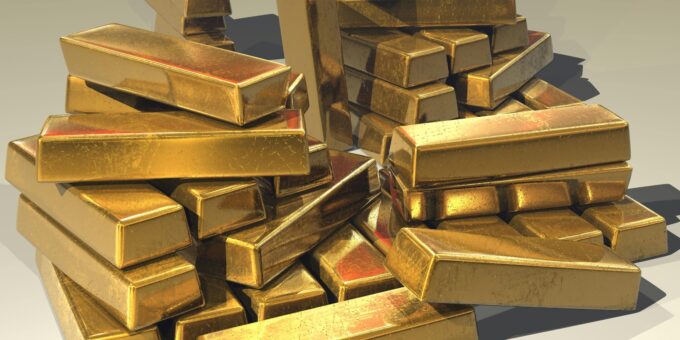
How to Invest in Gold and Precious Metals is a question many investors ask when they want stability, protection from inflation, and long-term wealth preservation. Gold and precious metals have been trusted stores of value for centuries, making them an important part of a diversified investment strategy.
In this complete guide, you will learn how gold and precious metals work as investments, the best ways to invest, risks to consider, and how they fit into a modern portfolio alongside stocks, real estate, and even an online business.
Why Gold and Precious Metals Matter in Investing
Gold, silver, platinum, and palladium are known as precious metals because of their scarcity and intrinsic value. Unlike paper currencies, they cannot be printed or easily manipulated.
Investors often turn to precious metals during economic uncertainty, inflation, or market volatility. These assets help preserve purchasing power and reduce overall portfolio risk.
Gold as a Hedge Against Inflation
Inflation reduces the value of cash over time. Gold historically performs well during inflationary periods because it retains value while fiat currencies lose purchasing power.
According to gold investment fundamentals, gold has maintained its role as a store of value across economic cycles.
Types of Precious Metals You Can Invest In
Understanding the different precious metals helps you make informed decisions when learning How to Invest in Gold and Precious Metals.
Gold
Gold is the most popular precious metal investment. It is widely traded, highly liquid, and accepted globally.
Silver
Silver is more affordable than gold and has industrial uses. This makes it more volatile but potentially higher in growth during economic expansions.
Platinum and Palladium
These metals are primarily used in industrial applications. They are rarer than gold but can experience sharp price swings based on supply and demand.
Best Ways to Invest in Gold and Precious Metals
There are several methods to invest, each with different risk levels, costs, and benefits.
Physical Gold and Silver
Physical metals include coins, bars, and bullion. Investors value physical ownership because it removes counterparty risk.
However, storage and insurance costs must be considered.
Gold ETFs and Precious Metal Funds
Exchange-traded funds (ETFs) allow you to invest in gold without owning physical metal. They are liquid, cost-efficient, and easy to trade.
Major investment firms explain ETF structures in their precious metals ETF guide.
Mining Stocks
Mining companies offer indirect exposure to precious metals. Their profits depend on metal prices and operational efficiency.
These stocks can outperform metal prices but also carry higher risk.
Precious Metals IRAs
A precious metals IRA allows investors to hold physical gold or silver in a tax-advantaged retirement account.
This option is popular among long-term investors focused on wealth preservation.
How Much of Your Portfolio Should Be in Gold?
Most financial experts recommend allocating 5% to 15% of your portfolio to precious metals.
This allocation provides diversification without overexposure. The exact percentage depends on your risk tolerance and financial goals.
Balancing Gold with Other Assets
Gold works best when combined with growth assets like stocks, bonds, and business investments.
Some investors balance traditional assets with digital income sources such as affiliate marketing or a dropshipping business, creating multiple streams of passive income.
Gold Investing vs Other Wealth-Building Strategies
Gold is a defensive asset. It protects wealth rather than aggressively growing it.
Growth-focused strategies, such as equities or entrepreneurship, serve a different purpose.
Gold vs Online Business Investments
While gold preserves value, an online business can generate scalable income. Understanding affiliate vs dropshipping helps investors decide which business model fits their goals.
Gold offers stability, while businesses offer growth. Many investors use both.
Risks and Challenges of Investing in Precious Metals
Despite their reputation, precious metals are not risk-free.
Price Volatility
Gold prices fluctuate based on interest rates, currency strength, and geopolitical events.
Short-term price swings can be significant.
No Income Generation
Unlike stocks or rental properties, gold does not produce income.
This makes it less attractive for investors focused on cash flow.
Storage and Security Costs
Physical metals require safe storage. These costs reduce net returns over time.
How to Invest in Gold and Precious Metals Safely
Safety and research are critical when entering the precious metals market.
Buy from Reputable Dealers
Only purchase physical metals from trusted dealers or government mints.
Global market standards are explained by the World Gold Council gold market insights.
Avoid Emotional Investing
Fear-driven buying often leads to overpaying during market spikes.
Stick to a long-term plan.
Tax Considerations for Gold Investors
Taxes vary depending on how you invest in precious metals.
Physical gold and ETFs may be subject to capital gains tax. Tax-advantaged accounts help reduce this burden.
Consult a tax professional before making large investments.
Using Gold as Part of a Long-Term Wealth Plan
How to Invest in Gold and Precious Metals should be part of a broader wealth strategy.
Gold complements stocks, real estate, and entrepreneurial income sources. It protects against uncertainty while other assets drive growth.
For a deeper understanding of diversified investing, explore our internal guide on long-term wealth-building strategies.
Final Thoughts on Investing in Gold and Precious Metals
Gold and precious metals remain timeless assets. They offer stability, diversification, and protection against inflation.
While they may not generate income like a business or dividend-paying stocks, they play a critical defensive role.
By combining gold with smart investing, disciplined saving, and modern income strategies, you can build a resilient and balanced financial future.
