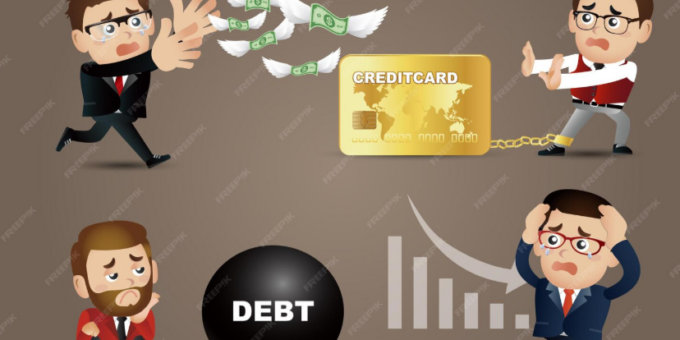
How to Reduce Debt Before It Destroys Your Credit is a crucial question for anyone feeling overwhelmed by mounting bills, loans, and credit card balances. Unmanaged debt can rapidly damage your credit score, increase financial stress, and limit your ability to achieve long-term financial goals.
The good news is that with a strategic plan, disciplined budgeting, and proactive financial habits, you can reduce debt effectively and protect your credit health. This guide provides actionable steps to regain control over your finances.
Why Reducing Debt Quickly Matters
High levels of debt impact your financial health in several ways:
- Lower Credit Scores: High credit utilization can reduce your score, making loans or credit approvals more difficult.
- High Interest Payments: The longer debt remains, the more you pay in interest over time.
- Financial Stress: Persistent debt can affect mental and emotional well-being.
- Limited Savings: Debt repayment often reduces your ability to save for emergencies or retirement.
Learning How to Reduce Debt Before It Destroys Your Credit allows you to regain control and minimize long-term financial damage.
For expert financial advice, check out Investopedia Personal Finance.
Step 1: Understand Your Debt Situation
The first step is to clearly understand your debts. Create a comprehensive list including:
- Outstanding balances
- Interest rates
- Minimum monthly payments
This helps you identify which debts are most urgent and which are costing you the most in interest.
Step 2: Create a Realistic Budget
A tight, realistic budget is essential. Track all income and expenses, then prioritize essential expenses and debt repayments. Consider:
- Cutting non-essential spending
- Allocating extra money toward high-interest debt
- Using apps or spreadsheets to track progress
Learn more about budgeting strategies at NerdWallet Budgeting Guide.
Step 3: Choose a Debt Repayment Strategy
Debt Avalanche Method
Focus on paying off debts with the highest interest rates first. This method minimizes total interest and shortens repayment time.
Debt Snowball Method
Alternatively, pay off the smallest balances first to gain motivation and build momentum. Both strategies work; choose one that fits your personality.
Read more about these methods at Debt Snowball vs Debt Avalanche.
Step 4: Negotiate With Creditors
Contact your creditors to discuss lower interest rates, flexible payment plans, or temporary hardship programs. Reducing interest rates ensures more of your payments go toward principal instead of interest.
This step is crucial to prevent debt from escalating and harming your credit score further.
Step 5: Cut Expenses Aggressively
Reducing unnecessary spending helps free up money for debt repayment. Consider:
- Cancelling subscriptions or memberships you rarely use
- Preparing meals at home instead of dining out
- Switching to lower-cost alternatives for utilities or services
Managing your finances efficiently is similar to optimizing an online business or dropshipping business for better profitability.
Step 6: Increase Income Where Possible
Boosting income accelerates debt reduction. Possible methods include:
- Freelancing or part-time jobs
- Turning hobbies into income streams
- Creating passive income through affiliate marketing or online business ventures
Apply all extra income directly to debt repayment for maximum effect.
Step 7: Automate Payments
Automated payments prevent missed deadlines, late fees, and added interest. Benefits include:
- Consistency in debt repayment
- Reduced stress from remembering due dates
- Improved credit score over time
Step 8: Monitor Your Credit
Check your credit reports regularly to track improvements and spot errors. You can access free credit reports annually at Annual Credit Report.
Monitoring ensures that your debt reduction efforts positively affect your credit score.
Step 9: Avoid Accumulating New Debt
While reducing existing debt, avoid taking on new loans or credit card balances. Pay with cash or debit and focus on clearing current obligations first.
Step 10: Build an Emergency Fund
Even while repaying debt, save a small emergency fund ($500–$1,000) to cover unexpected expenses. This prevents you from falling back into debt due to unforeseen events. For guidance, visit Emergency Fund Tips.
Step 11: Stay Motivated and Educated
Debt repayment requires perseverance. Stay motivated by:
- Joining finance forums and communities
- Reading personal finance blogs and books
- Visualizing a debt-free future
Consistent effort combined with education strengthens your financial habits, similar to managing affiliate vs dropshipping revenue streams effectively.
Final Thoughts
How to Reduce Debt Before It Destroys Your Credit is about strategy, discipline, and proactive management. By assessing debt, creating a budget, negotiating with creditors, cutting costs, and increasing income, you can protect your credit score and achieve financial stability.
Start taking action today. Each step brings you closer to a debt-free life and better credit health.
