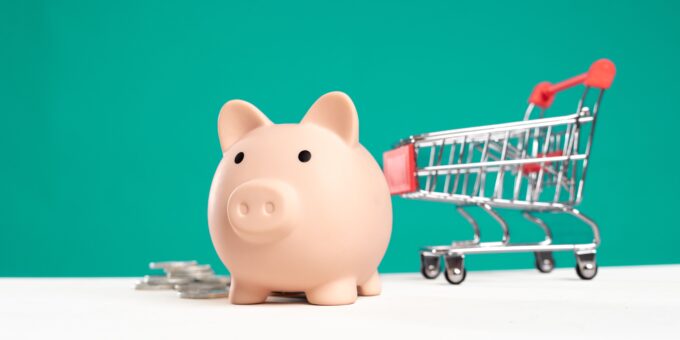
Consumer spending is one of the most powerful forces behind a healthy economy. Every day, millions of people purchase groceries, clothing, electronics, healthcare services, transportation, entertainment, and countless other goods and services. These purchases fuel business revenues, create jobs, encourage investment, and contribute significantly to a country’s Gross Domestic Product (GDP). Understanding How Consumer Spending Drives Economic Growth is essential for investors, business owners, policymakers, and consumers alike.
In most developed economies, consumer spending accounts for a substantial share of economic activity. When households spend confidently, businesses expand production, hire more workers, and invest in innovation. Conversely, when spending declines, economic growth often slows. This article explores How Consumer Spending Drives Economic Growth, the factors that influence consumer behavior, and why it remains a cornerstone of modern economic development.
What Is Consumer Spending?
Consumer spending, also called personal consumption expenditure (PCE), refers to the money households spend on goods and services. It includes everyday purchases such as food, housing, transportation, healthcare, education, travel, and entertainment.
Consumer spending is one of the largest components of GDP in many countries. As spending increases, businesses experience stronger sales, which supports economic expansion and job creation.
For a deeper understanding of economic indicators, visit the U.S. Bureau of Economic Analysis, which publishes GDP and consumer spending data.
Why Consumer Spending Matters
How Consumer Spending Drives Economic Growth becomes clear when examining the relationship between household purchases and business activity. Every purchase generates income for businesses, which then pay employees, purchase inventory, invest in equipment, and expand operations.
This continuous circulation of money supports the broader economy by increasing production and encouraging further investment.
The Consumer Spending Cycle
The economic impact of consumer spending follows a repeating cycle:
- Consumers purchase goods and services.
- Businesses earn revenue.
- Companies hire employees and increase wages.
- Workers receive income.
- Households spend more money.
- Businesses expand production.
- The economy continues to grow.
This cycle demonstrates why strong consumer confidence often leads to stronger economic performance.
Consumer Spending and GDP
Gross Domestic Product measures the total value of goods and services produced within an economy. Consumer spending typically represents the largest share of GDP in many developed nations.
When consumer demand rises:
- Businesses increase production.
- Employment improves.
- Corporate profits grow.
- Government tax revenues increase.
- Investment expands.
As a result, sustained consumer spending contributes directly to long-term economic growth.
Employment and Consumer Spending
Employment and consumer spending are closely connected.
When unemployment is low, households generally have higher disposable income. Increased income allows consumers to spend more confidently on both essential and discretionary purchases.
Businesses respond by hiring additional workers, creating a positive feedback loop that strengthens economic activity.
The Role of Consumer Confidence
Consumer confidence measures how optimistic households feel about the economy and their personal financial situation.
High consumer confidence often leads to:
- Higher retail spending
- Greater home purchases
- More vehicle sales
- Increased travel
- Higher business investment
When confidence declines, households typically reduce spending and increase savings, slowing economic growth.
Inflation and Spending Behavior
Inflation affects purchasing decisions by increasing the cost of goods and services.
Moderate inflation may encourage consumers to make purchases before prices rise further. However, prolonged high inflation can reduce purchasing power and force households to cut discretionary spending.
Monitoring inflation trends helps businesses and investors anticipate changes in consumer behavior.
Economic research and inflation data are available through the World Bank.
Interest Rates and Household Spending
Central banks influence consumer spending through monetary policy.
Lower interest rates reduce borrowing costs, making mortgages, auto loans, and business financing more affordable. Consumers often respond by increasing purchases.
Higher interest rates usually slow borrowing and reduce household spending, helping control inflation but potentially slowing economic growth.
Current monetary policy updates can be found on the Federal Reserve.
Technology and Modern Consumer Spending
Technology has transformed how consumers shop and businesses operate.
Today’s consumers increasingly purchase products through:
- E-commerce websites
- Mobile shopping apps
- Digital payment systems
- Subscription services
- Social commerce platforms
This digital transformation has expanded global commerce while creating new opportunities for entrepreneurs and investors.
How Businesses Benefit from Consumer Spending
Businesses depend on healthy consumer demand to maintain profitability and support long-term growth.
Strong consumer spending enables companies to:
- Expand operations
- Hire additional employees
- Invest in innovation
- Develop new products
- Increase shareholder value
Growing businesses also contribute to stronger local economies through higher wages and increased tax revenue.
Consumer Spending and Small Businesses
Small businesses are particularly sensitive to changes in consumer spending. Local restaurants, retail stores, service providers, and family-owned businesses rely heavily on consistent customer demand.
Supporting local businesses strengthens communities while creating employment opportunities and encouraging entrepreneurship.
Consumer Spending in the Digital Economy
The rise of the internet has changed spending habits dramatically.
Consumers now purchase digital products, online subscriptions, software, educational courses, and virtual services more frequently than ever before.
This trend has created new opportunities through affiliate marketing, digital entrepreneurship, and every type of online business.
If you’re interested in creating additional income, explore our guide to affiliate marketing for beginners, which explains how to build a sustainable digital business.
Building Wealth Through Multiple Income Streams
Many individuals use consumer demand to create new revenue sources beyond traditional employment.
Examples include:
- E-commerce stores
- Content creation
- Digital products
- Affiliate marketing
- Freelancing
- Rental properties
These activities may generate passive income while benefiting from growing consumer spending across digital markets.
If you’re comparing online business models, our article on affiliate vs dropshipping explains the advantages and challenges of each approach. Starting a dropshipping business is another way entrepreneurs capitalize on consumer demand without maintaining inventory.
Factors That Influence Consumer Spending
Several economic and psychological factors affect purchasing decisions.
- Employment levels
- Household income
- Inflation
- Interest rates
- Consumer confidence
- Government policies
- Tax changes
- Availability of credit
Understanding these factors helps investors and businesses anticipate market trends more effectively.
How Investors Use Consumer Spending Data
Investors closely monitor retail sales, consumer confidence, employment reports, and inflation data to evaluate economic conditions.
Strong consumer spending often supports sectors such as retail, travel, hospitality, technology, healthcare, and consumer goods.
By following these indicators, investors can make more informed portfolio decisions while managing long-term risk.
Conclusion
How Consumer Spending Drives Economic Growth highlights the vital relationship between household purchasing decisions and overall economic performance. Consumer spending supports business revenue, job creation, innovation, investment, and government tax collections while driving sustained GDP growth.
